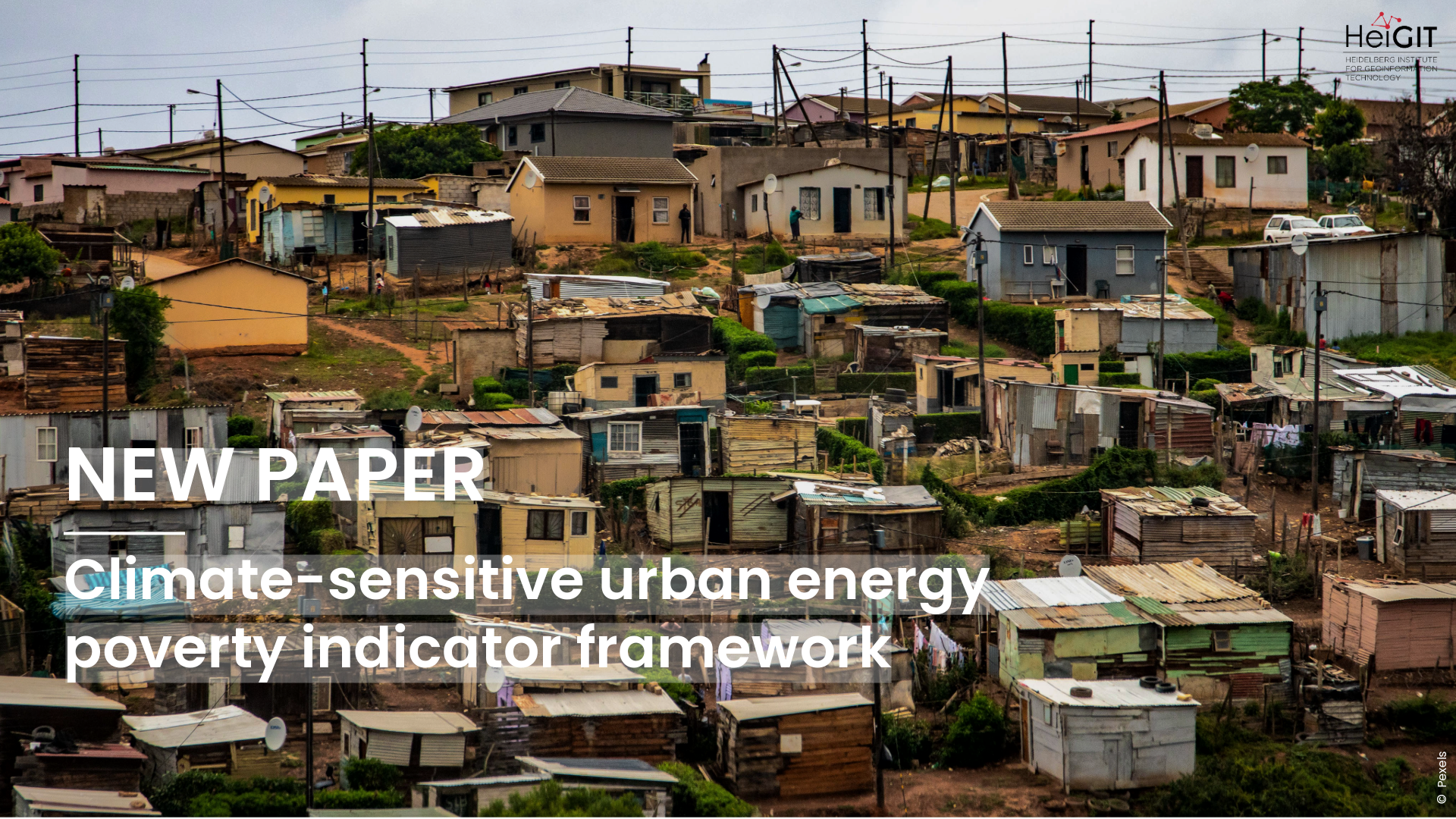
The framework demonstrates that urban morphology can substantially influence household exposure to thermal discomfort and energy-related vulnerability, extending conventional assessments that rely predominantly on socioeconomic indicators.
Clear differences were identified across urban contexts. Households located in compact, densely built areas (LCZ 3), compared with those in open low-rise areas, exhibited:
- 4.5 times higher thermal-discomfort exposure (0.32 vs. 0.07)
- More than twice the level of equipment and insulation deficits (0.61 vs. 0.28)
- Substantially lower access to cooling equipment (11% vs. 32%)
These findings indicate that households with comparable socioeconomic conditions may experience markedly different energy-related burdens depending on the urban environments in which they are located. Consequently, conventional energy-poverty metrics that do not account for local climatic and morphological conditions may overlook important spatial dimensions of vulnerability.
The study further highlights the increasingly seasonal nature of urban energy poverty. Under a warming climate, household vulnerability is associated not only with inadequate access to heating during cold periods but also with limited capacity to maintain acceptable indoor conditions during increasingly frequent and intense warm periods.
Reference: Martinez-Soto, A., Castro-Coliqueo, K., Sanhueza-Catalán, D. et al. Climate-sensitive urban energy poverty indicator framework. Commun. Sustain. 1, 139 (2026).  Climate-sensitive urban energy poverty indicator framework