About us

Solutions for global challenges

From Research to Real-World Impact

At HeiGIT (Heidelberg Institute for Geoinformation Technology), we envision a better society and environment through the advancement of open geoinformation and geoinformation technology. We provide research and development to support decision-making in sustainable mobility, humanitarian aid, and climate action, all underpinned by big spatial data analytics and machine learning.

Founded in 2019 as a non-profit organization, HeiGIT is an affiliated institute of Heidelberg University. Under the scientific lead of Prof. Alexander Zipf, we strive to create impactful solutions that address real-world challenges.

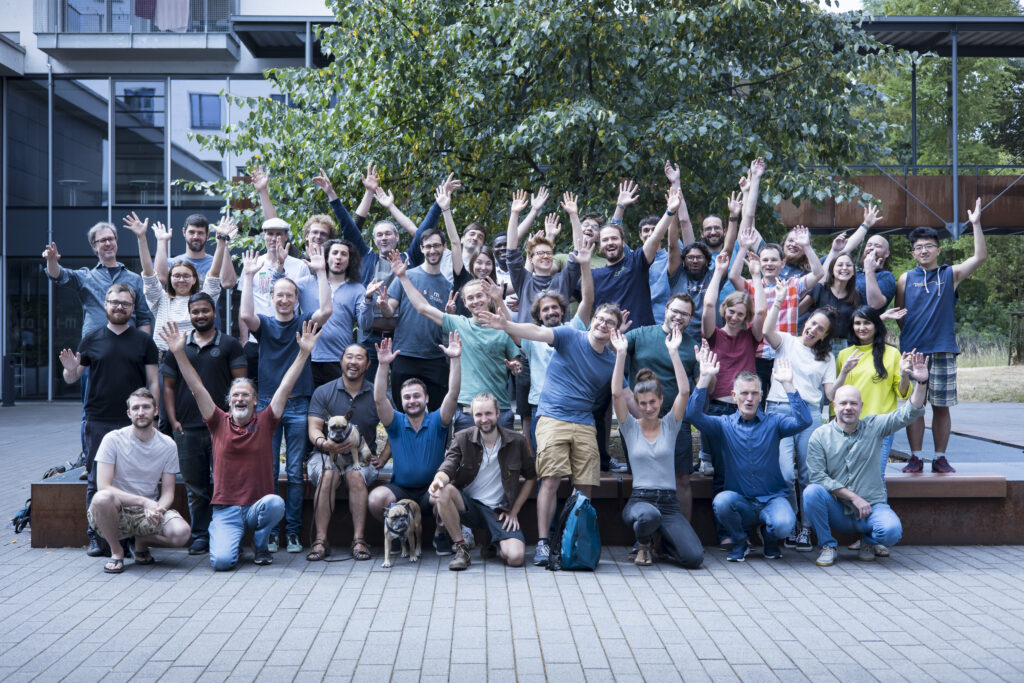
team photo from a jourfix

Our founding principle—translating knowledge and technology from fundamental geoinformatics research into practical applications—continues to guide our efforts.

colleagues listening to a presentation at one of the JourFixes
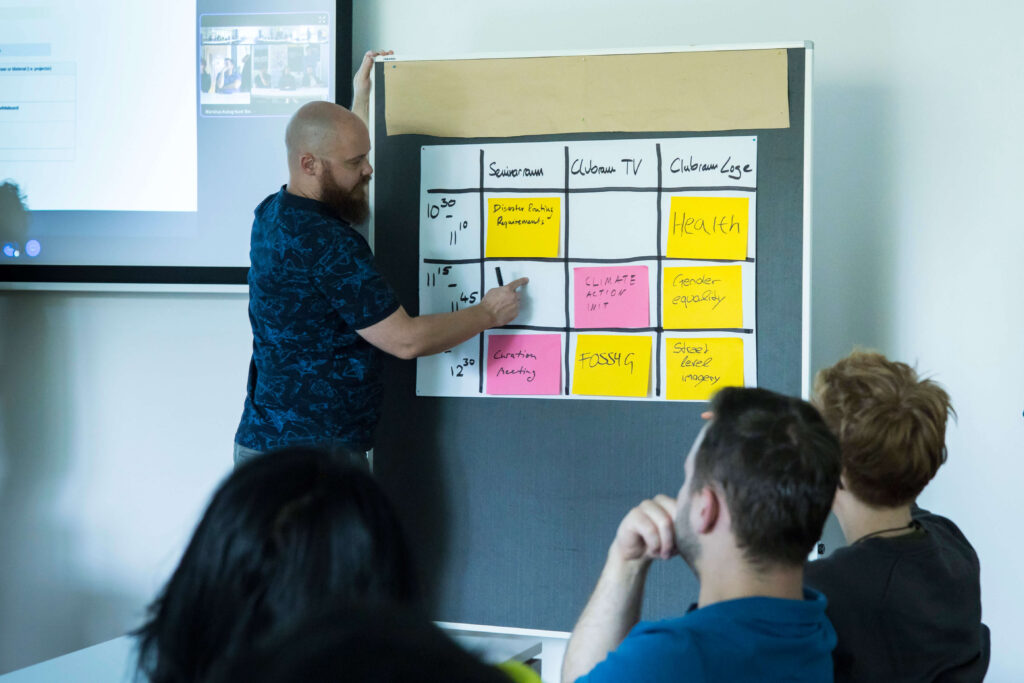
jourfix 2023, a person giving a presentation
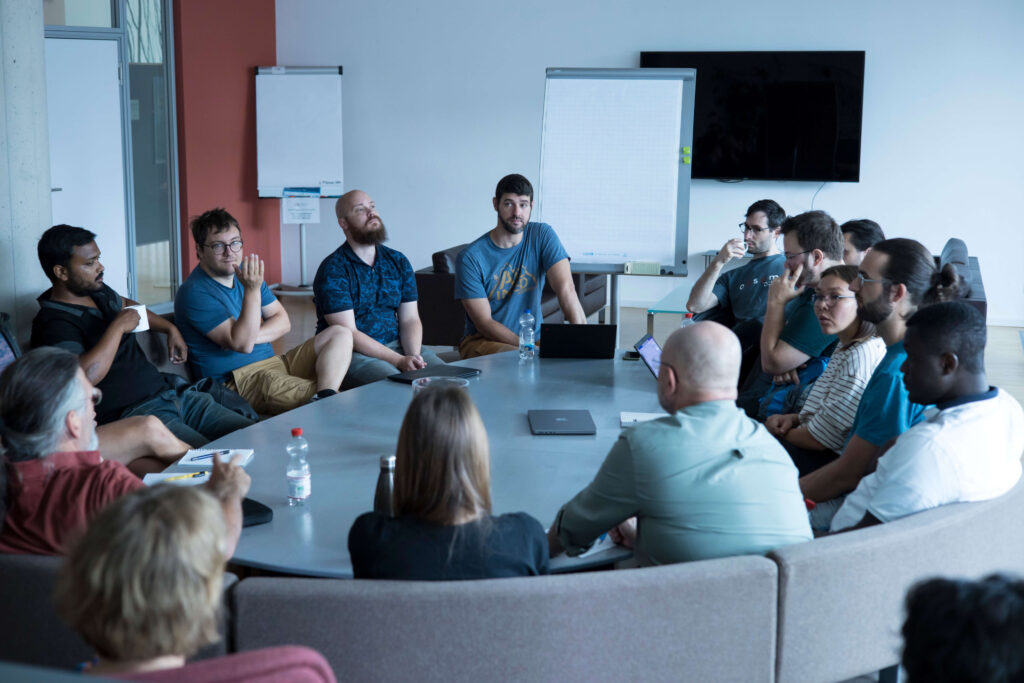
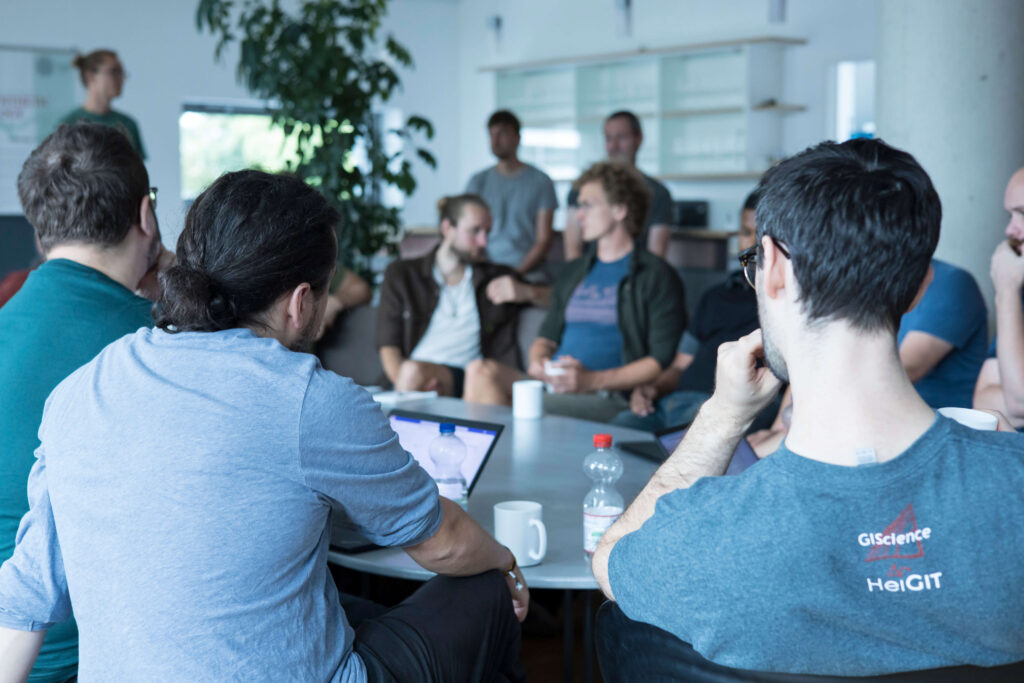
employees of HeiGiT sitting together and discussing during a Jour Fix
Shaping the Future with Open Innovation

Turning Vision into Reality

The foundation of our journey was laid when HeiGIT was founded in 2016 as a three-year research project, driven by a vision to bridge the gap between geoinformatics research and the needs of society and the environment.

Today, we remain committed to this vision, with our approach rooted in the principles of open data, open methods, and open technology. Guided by these values, we collaborate closely with partners to develop state-of-the-art geoinformation technologies.

Our Milestones

  • July

    openrouteservice goes global

    September

    Establishing the “Heidelberg Institute for Geoinformation Technology (HeiGIT)” as a Heidelberg University project

  • August

    Partnership with Humanitarian OpenStreetMap Team (HOT)

    November

    Partnership with German Federal Agency for Cartography and Geodesy (BKG)

  • January

    Release of OSMlanduse web application

    February

    Launch of the ohsome OSM History Analytics Platform

  • July

    Founding of HeiGIT as a non-profit institute

    September

    HeiGIT & GIScience Research Group host HOT Summit 2019 and State of the Map 2019

    July

    Partnership with German Red Cross

  • December

    Partnership with Anticipation Hub

  • March

    Introduction of Open Healthcare Access Map

    April

    Launch of ohsome Dashboard

  • September

    Launch of HeiGIT Disaster Portal

  • August

    Launch of ohsomeNow Dashboard

    October

    Establishment of a new focus group on Climate Action

  • November

    Release of the global Road Surface Dataset

  • May

    Launch of the Climate Action Navigator

  • May

    Launch of the shaded.ors for 80 major German cities

Collaborating for Impact

Our Research

The GIScience Research Group at the Institute of Geography is our closest research partner. Alexander Zipf, Professor for Geoinformatics at Heidelberg University, heads the group and is also HeiGIT’s Scientific Director.

Research is part of our daily work. We publish in peer-reviewed journals, participate in scientific conferences, teach at Heidelberg University, and supervise students who carry out thesis projects in our teams.

Methods developed in research reach our services while they are still current, and the problems our partners encounter in the field become research questions.

Heidelberg University logo
GIScience logo
employees at a group discussion at a JourFix

Evolving to Meet Global Needs

Our work has evolved from a few initial projects into a set of continuing services & technologies.

From services that assist humanitarian efforts to indicators that aid in climate mitigation, we are continuously expanding the ways in which geoinformation can make a difference.

By developing our services based on open, globally available geodata—such as OpenStreetMap, Mapillary, and more—we can create adaptable and impactful solutions for communities around the world.

We are grateful to the Klaus Tschira Foundation for their long-term support, which enables us to stand for sustainable, long-term partnerships. This allows us to keep our services running, while also advancing our vision of open technology and knowledge transfer.

Klaus Tschira Stiftung logo