
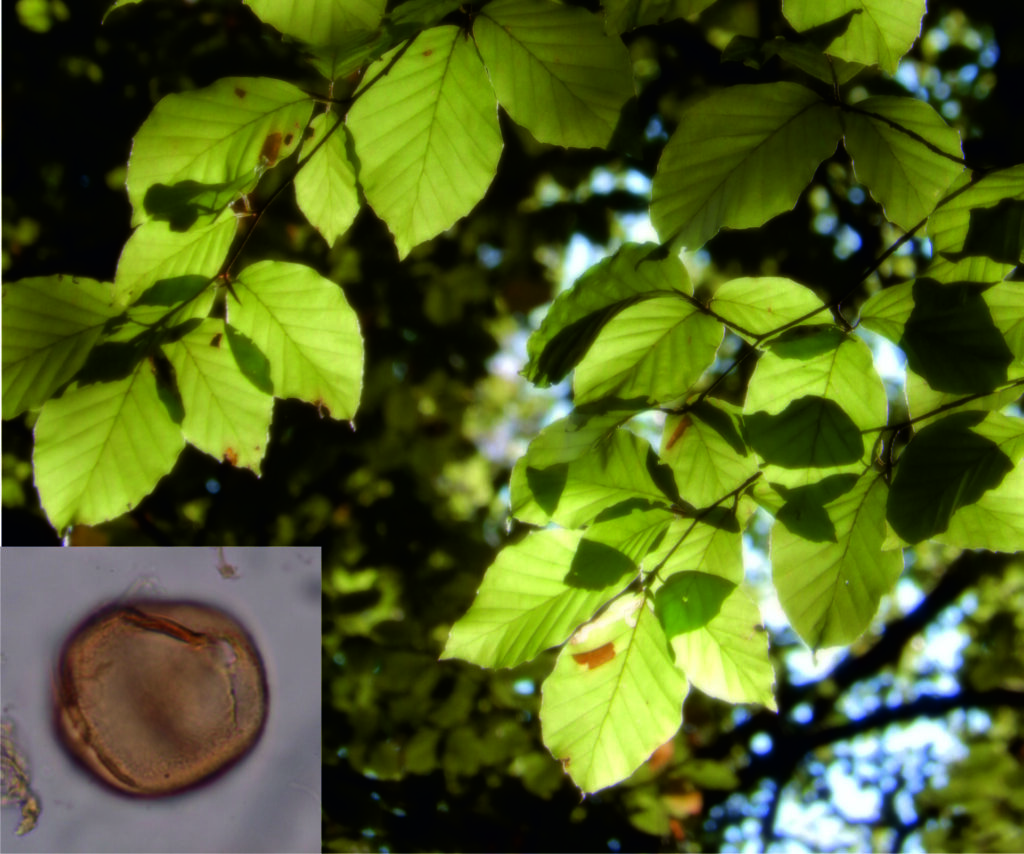
After the end of the last ice age, the area that is now Germany was devoid of forests. The landscape resembled today’s tundra in Northern Europe. As temperatures rose, reforestation began, but this was repeatedly counteracted by severe cold spells. By 9700 BC at the latest, the landscapes in Germany were covered with forests, but their composition was not static and continued to evolve in line with natural conditions and climate change. Since the Neolithic period, humans habe played a role in shaping forest cover through their agricultural practices. This development of forests is being researches with the help of fossil pollen analysis.
Presented by Dr. Susanne Jahns (Brandenburgisches Landesamt für Denkmalpflege und Archäologisches Landesmuseum)