
HAMM-Dar

Heat-Aware Mobility Models to Support Climate-Resilient Transport Planning in Dar es Salaam

Overview

HAMM-Dar addresses the growing heat exposure faced by pedestrians in Dar es Salaam by creating a Heat-Mobility Digital Twin.

The project combines satellite data with on-the-ground climate measurements to map how heat affects pedestrians across the city. The tool enables scenario planning, allowing city officials to simulate the cooling impact of specific interventions before they are implemented. Decision-makers can see the likely cooling effect of adding trees or shade structures to specific streets.

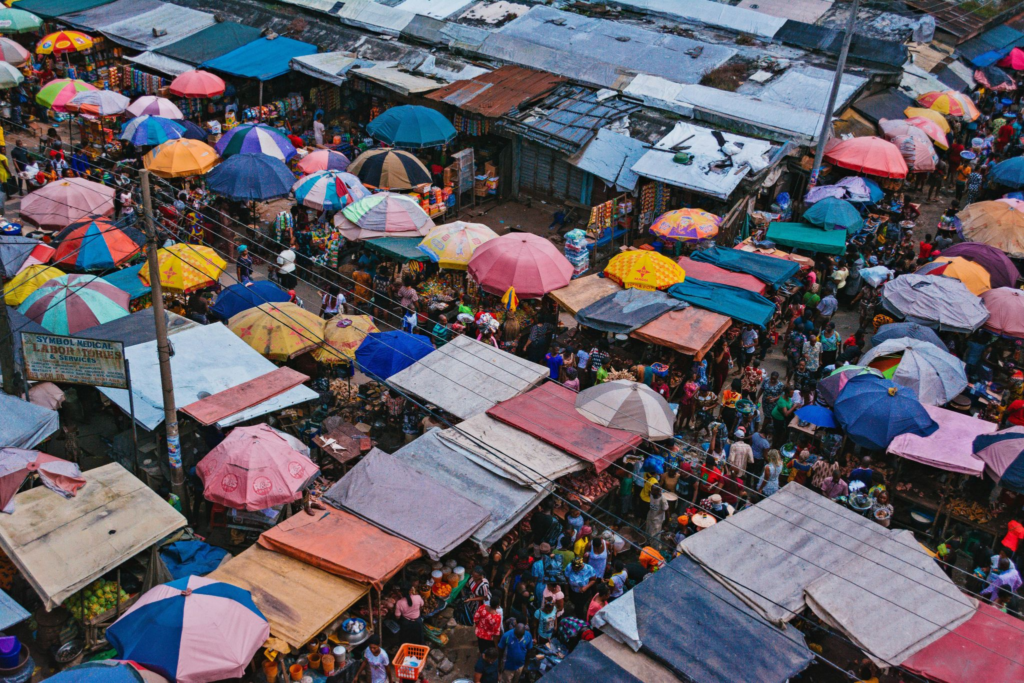
Researchers from the University of Dar es Salaam and Heidelberg work together to develop the models and methods alongside city planners. This ensures the final toolkit reflects real local conditions and remains fully in local hands long after the project ends.

©Photo by Temple Maduoma from Pexels

Research Objectives

Intensifying Urban Heat

Temperatures in Dar es Salaam regularly exceed 32°C and reach 40°C during heatwaves. Their frequency and duration have increased significantly, with projections pointing to even more extreme events ahead.
Unequal Exposure

The majority of Dar es Salaam's residents walk or use public transit. This forces the most vulnerable into direct exposure to peak heat. By 2050, the number of urban poor facing dangerous heat conditions could rise by 700%.

Health and Economic Costs

Studies in informal settlements already link heat exposure to chronic fatigue and declining health, reducing the productivity of those who can least afford it. Yet this burden remains largely unrecognized in urban planning and policy.

A Gap in Existing Tools

Methods to model heat and pedestrian routing exist, but previous approaches identified where it is hot rather than where people actually walk. HAMM-Dar fills this gap by combining heat mapping with movement data to pinpoint the corridors where targeted interventions will benefit the greatest number of people.
Approach

Anchored in Dar es Salaam, UDSM leads three of the four work packages, driving local stakeholder engagement, data collection, and legacy planning. While HeiGIT provides the technical modeling foundation, the collaboration relies on agile co-creation to ensure deep knowledge transfer. This approach empowers UDSM to independently maintain the system beyond the three-year grant, ensuring true long-term sustainability.

Funding

The project is supported by Daimler Benz Stiftung as part of the ”Ladenburger Horizonte“ funding program.

Project period: May 2026 – May 2029  

Team