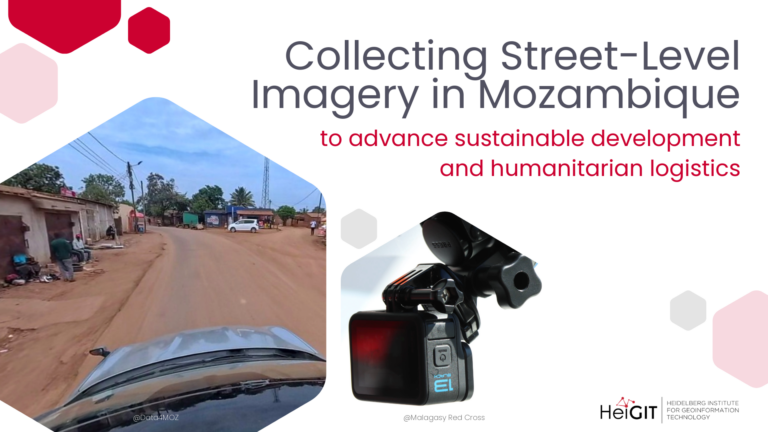
HeiGIT and Data4MOZ have launched a collaboration to collect street-level imagery in Mozambique, combining local field expertise with geospatial capacity to advance technologies for humanitarian logistics and actionable data for…
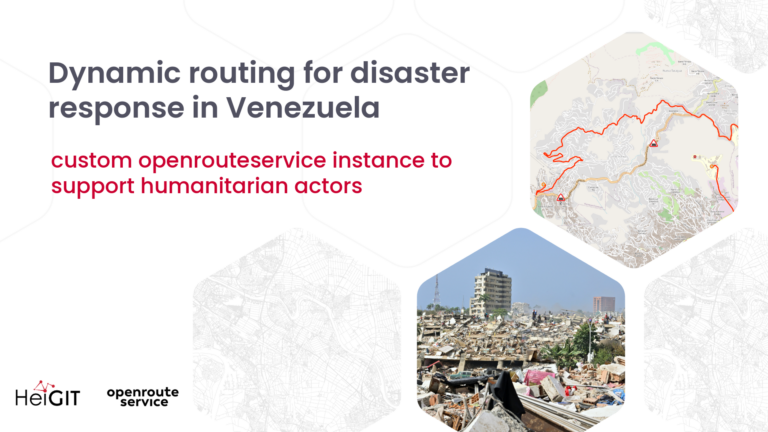
Following the catastrophic earthquakes in Venezuela on June 24, 2026, humanitarian organizations face a compromised operational landscape. With over 3,600 confirmed fatalities and tens of thousands missing, the immediate priority…
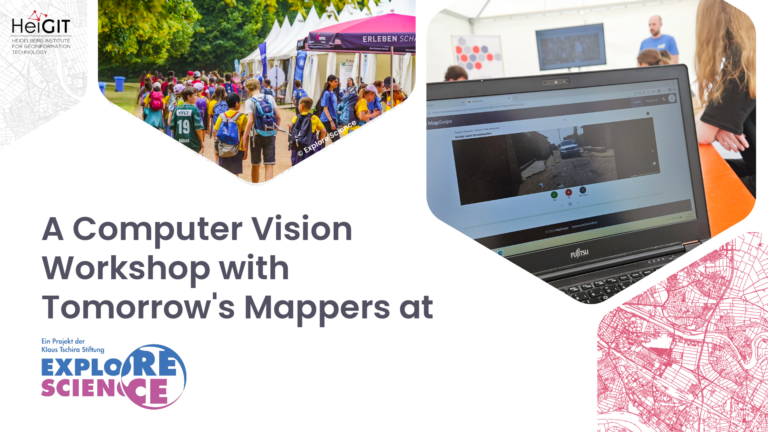
At Explore Science 2026, young students experimented with computer vision for humanitarian mapping: an occasion to learn how AI models are trained and why human input remains essential for generating…
The Colombian Red Cross’s Disaster Risk Management (DRM) team works to mitigate the impact of emergencies and enhance community resilience throughout the country. Coordinating actions at both national and regional…
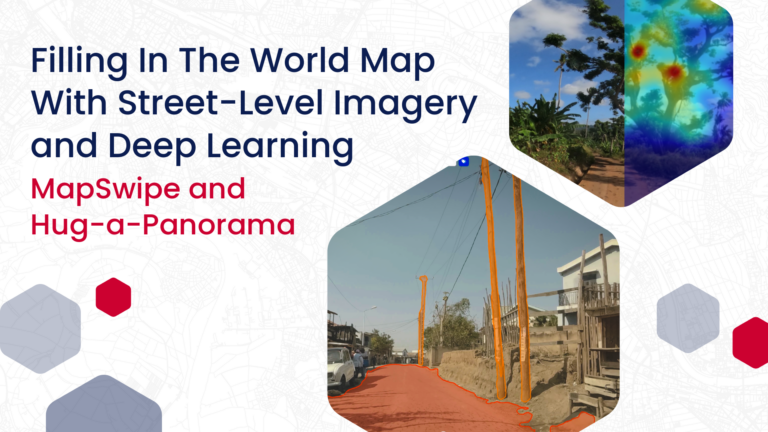
HeiGIT has been working with deep learning models and street-level imagery for some time, with the goal to contribute to “filling in the world map” by gaining high-resolution information about…
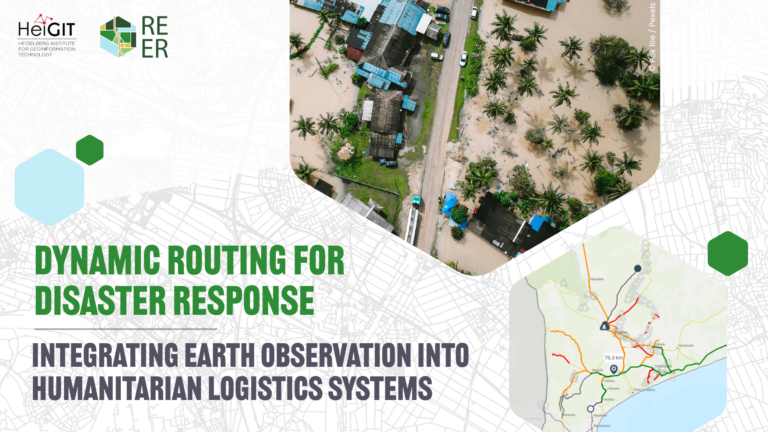
As disasters grow more frequent and complex, the REER project aims at supporting the operational needs of humanitarian organizations. By combining Earth Observation outputs with data from the ground, the…
This study is based on Celina Thomé’s master thesis. It was presented at the ISCRAM 2026 conference, where it added to conversations about using data-driven methods to improve crisis management,…
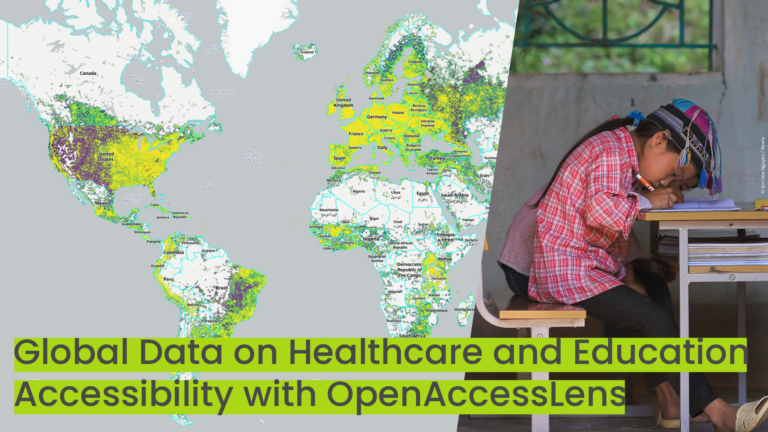
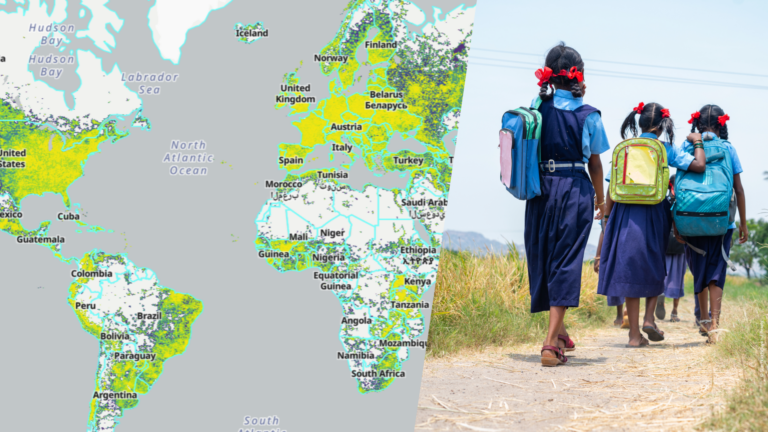
The new OpenAccessLens platform provides open, global data on accessibility to healthcare and education. Built on OpenStreetMap data and openrouteservice modeling, it can support accessibility research, humanitarian work, public health…
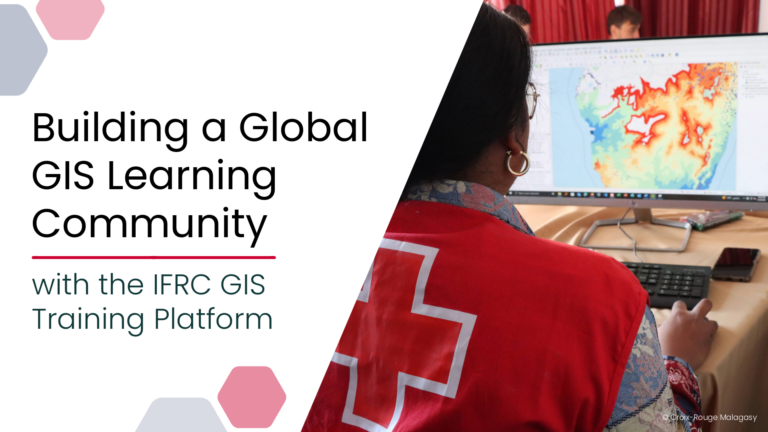
In 2023, a shared vision emerged to make geospatial skills more accessible, consistent, and sustainable across the Red Cross and Red Crescent Movement. Initiated by the British, German, and Netherlands…
Numbers alone do not show whether a child can reach school or a patient access medical care in time. This is where maps add context, helping to make sense of…
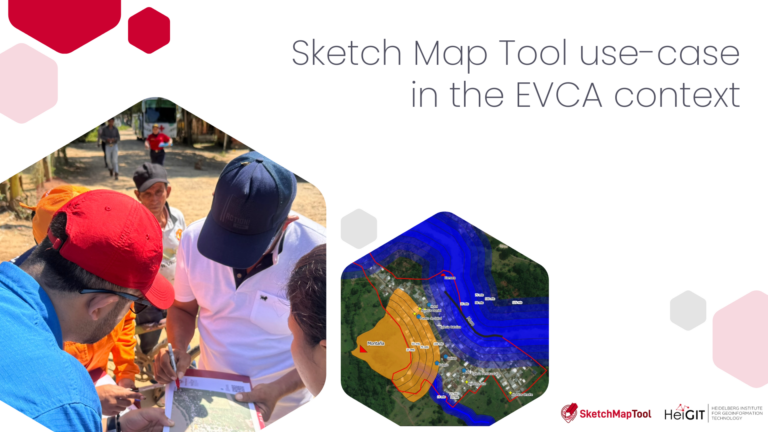
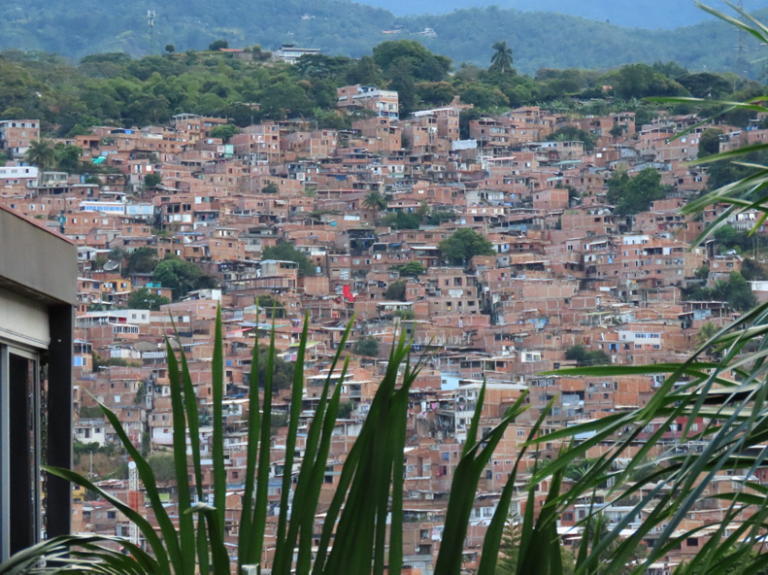
The Sketch Map Tool was strategically used within Colombia’s National Disaster Management System to steer community mapping in the southern city of Cali. The National Unit for Disaster Risk Management…
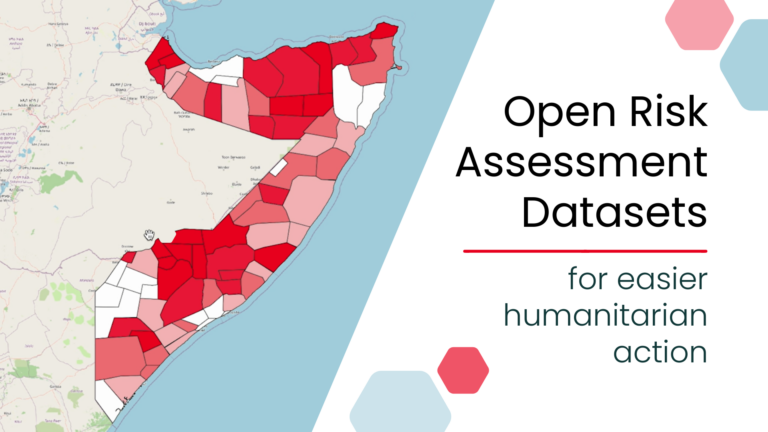
New open, ready-to-use global risk assessment datasets can simplify risk analysis by removing major technical barriers to data preparation. Designed for easy use with the Risk Assessment QGIS Plugin, the…
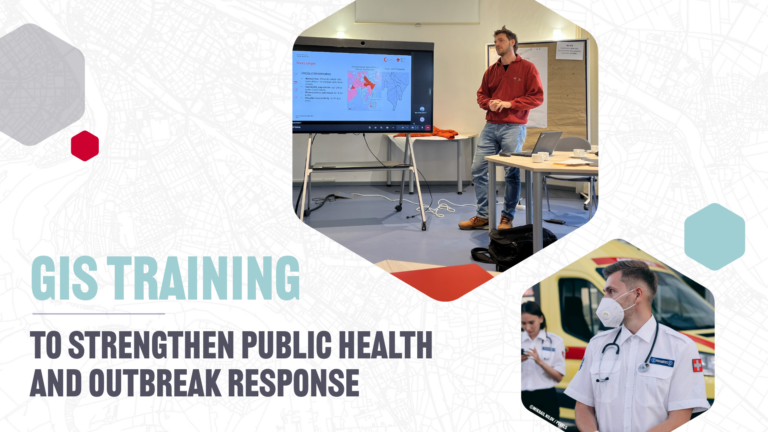
Geospatial analysis is critical for public health challenges such as an emergency outbreak response. With a pilot GIS training, we explored how health professionals and information managers can work together…
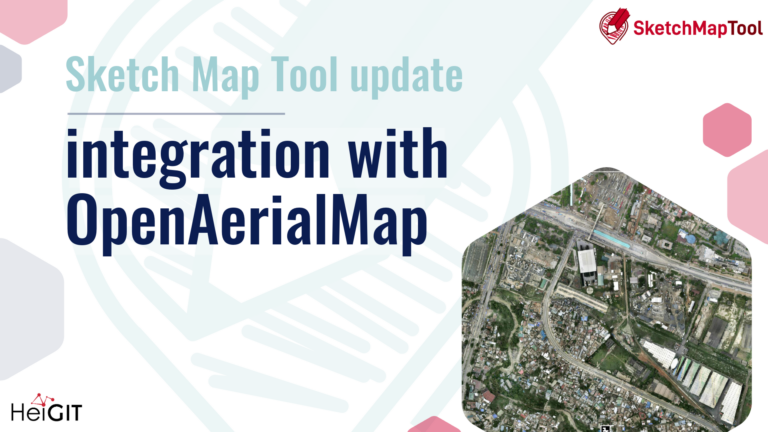
The latest update to the Sketch Map Tool introduces a direct integration with OpenAerialMap (OAM), making it easier to bring drone and aerial imagery into community and humanitarian mapping….
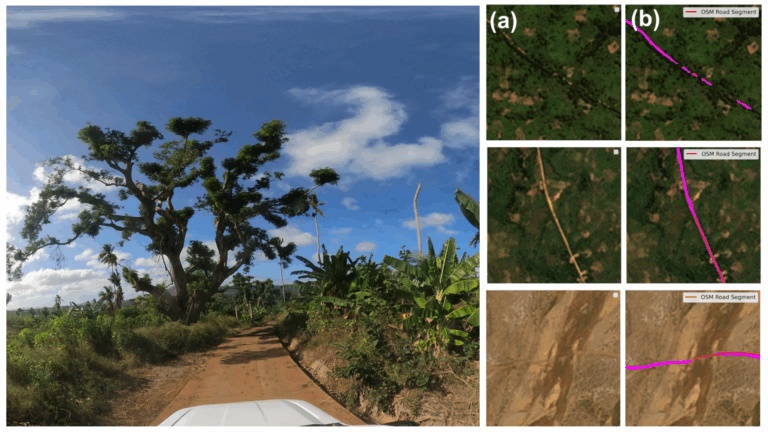
A new global dataset released by the HeiGIT (Heidelberg Institute for Geoinformation Technology) makes it possible to distinguish between paved and unpaved roads worldwide with unprecedented consistency. Derived from high-resolution…
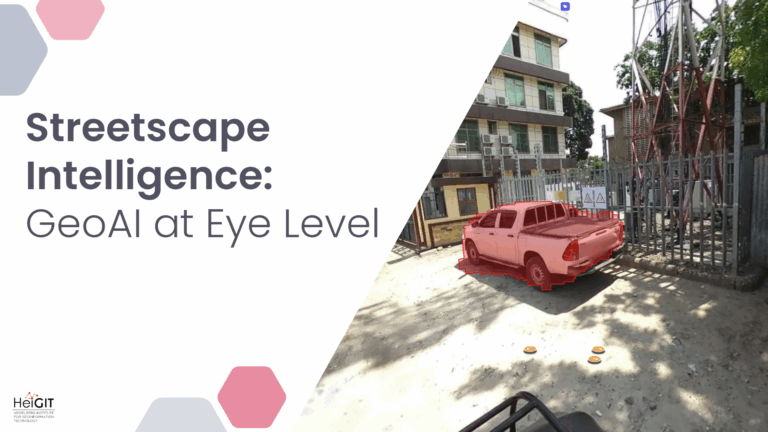
Crowdsourced street-level imagery can be used to detect and map humanitarian-relevant features in near real time. We have developed a machine-learning-based analytical pipeline that integrates with the open-source imagery catalogue…
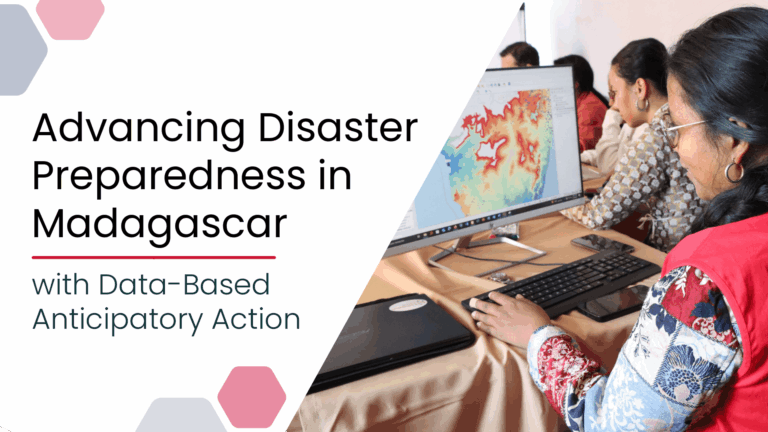
Anticipatory Action (AA) is becoming an increasingly vital approach in humanitarian and disaster risk management. By leveraging forecasts and risk data, AA enables timely interventions before extreme events occur. Geoinformation…
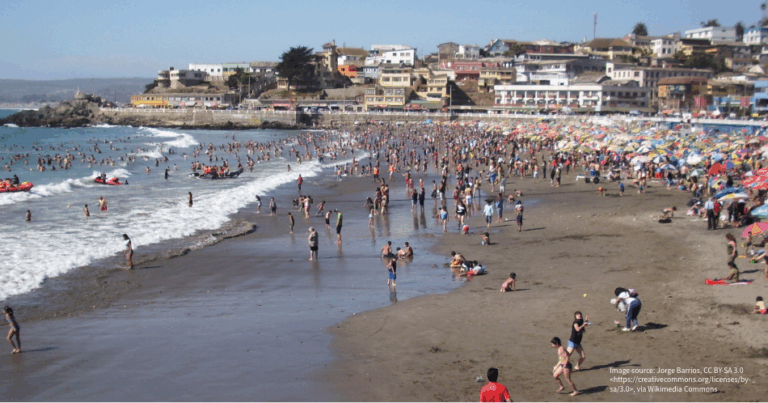
The Sketch Map Tool was used in Cartagena, Chile, to collect geographic information for effective disaster risk reduction. It is an easy-to-use tool for participatory sketch mapping through offline collection,…
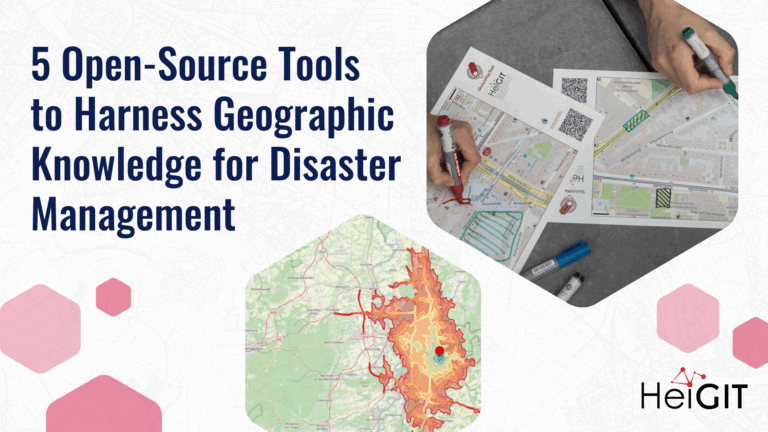
Volunteered Geographic Information (VGI) is a valuable resource for an effective disaster management. This article presents five free tools to enhance humanitarian work using VGI. What is VGI and why…
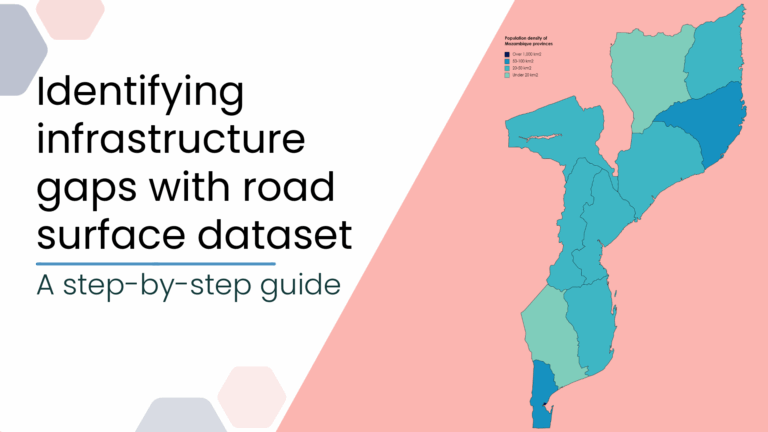
This blog post introduces a step-by-step tutorial for working with a global road surface dataset. Using open-source tools, the tutorial demonstrates how to identify infrastructure gaps by combining road surface…